
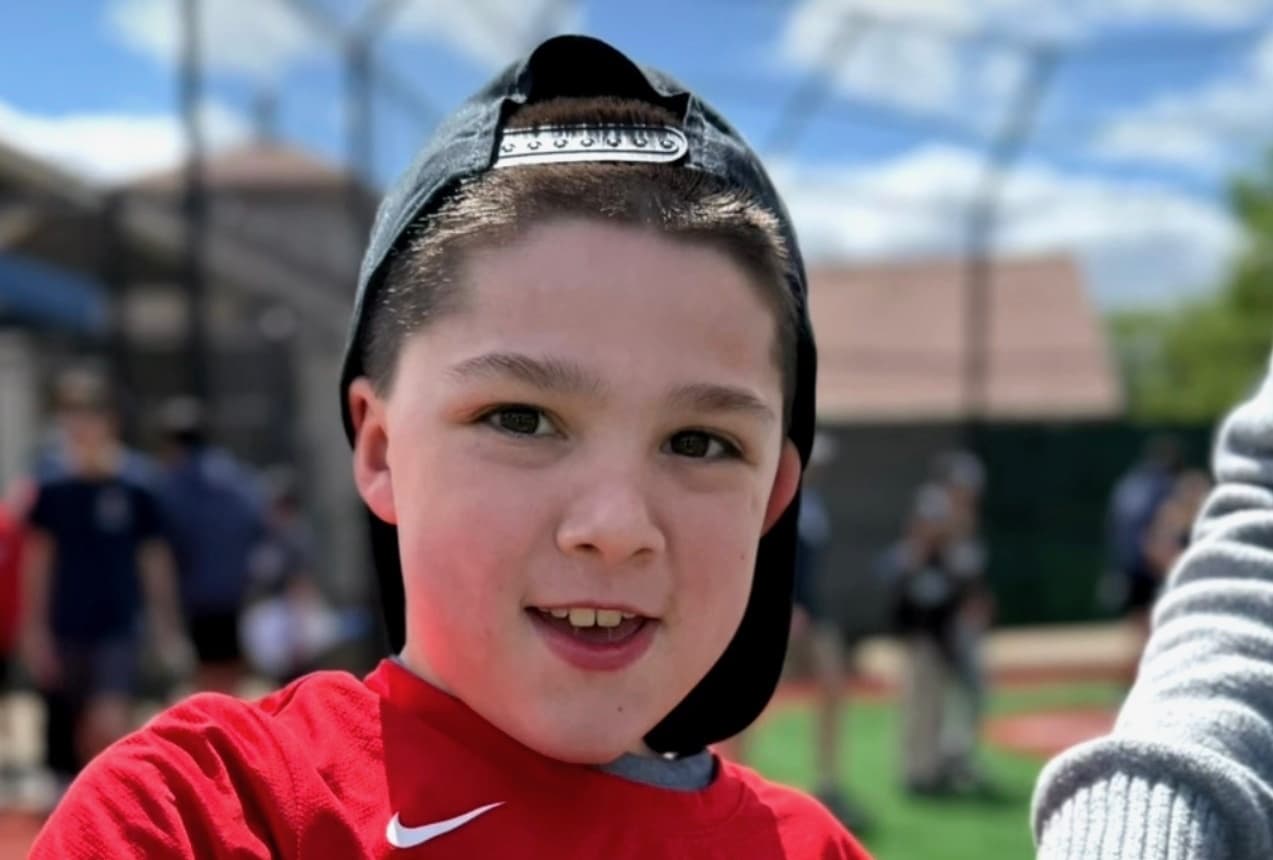
Charlie Sims is one of 30 million people in the United States living with a rare disease — many of which are difficult to diagnose and treat. He grew up loving to sing, dance, play football and basketball, and spending time with his brother. Charlie's energy was mesmerizing.
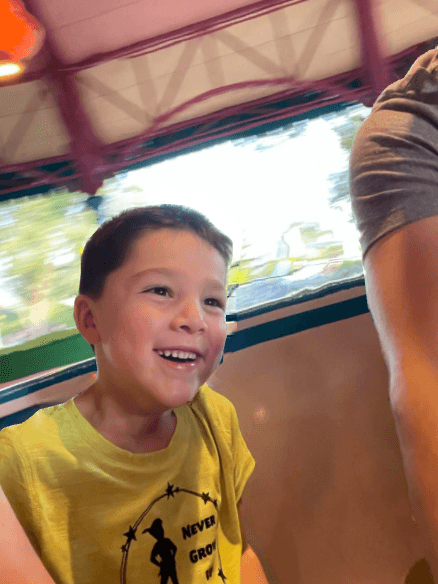
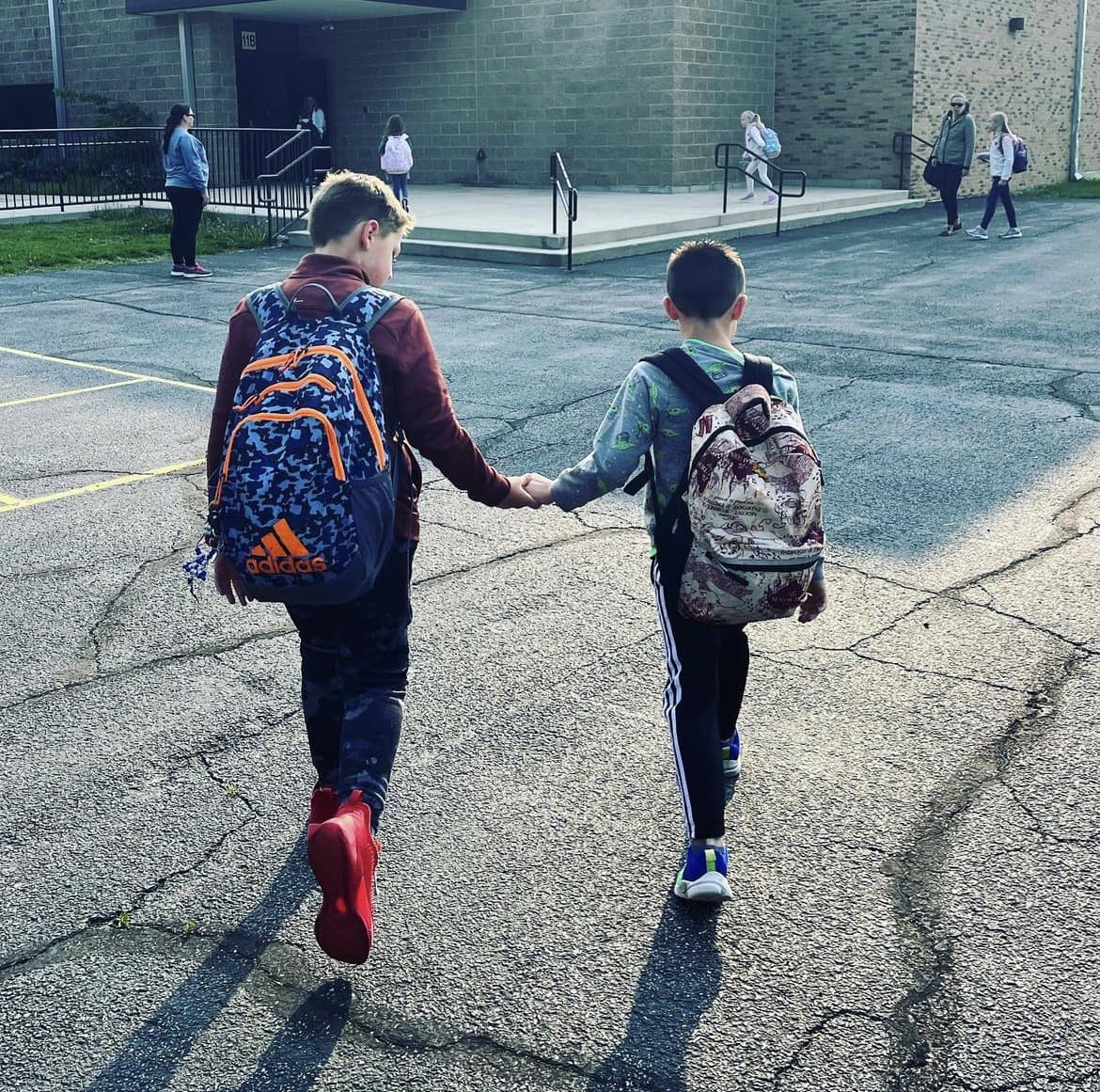
Charlie (left) and with his brother James, 2023
However, when Charlie was four, his parents began to notice changes in his behavior. At first, they thought it might be ADHD — but as his symptoms progressed and ADHD was ruled out, the family found themselves ever deeper down a medical rabbit hole, visiting various specialists and trying to find answers. All the while, they were seeing more changes and even regression in Charlie.
“For so long, all we wanted was a diagnosis. If only we knew what the problem was, then we could start working on a solution.”
— Matthew Sims, Charlie's father
After being a standout athlete, Charlie was now struggling to ride a bike and starting to have trouble in school. His parents told their physician team that it felt like Charlie was slipping through their fingers.
The family turned to Rush University Medical Center for genetic testing. After months of waiting, they finally received the call they had been waiting for — a diagnosis. But the news came as a complete shock, and would forever change their family. Charlie, then 6 years old, had an ultra-rare genetic disorder called CLN1 disease — a form of Batten Disease. Described as “a relentless, progressive, devastating neurodegenerative disorder,” the family found out soon after that CLN1 disease had no cure, no approved treatment, and had always proven fatal.
“For any parent to receive a diagnosis of this kind is absolutely unimaginable.”
— Leigh Sims, Charlie's mother
Despite the devastating diagnosis, they were determined to use this new information to get Charlie the help he needed. The family was able to get in quickly with Dr. Elizabeth Berry-Kravis, MD, PhD — a leader in advancing treatments for rare pediatric genetic diseases and a pediatric neurologist at Rush.
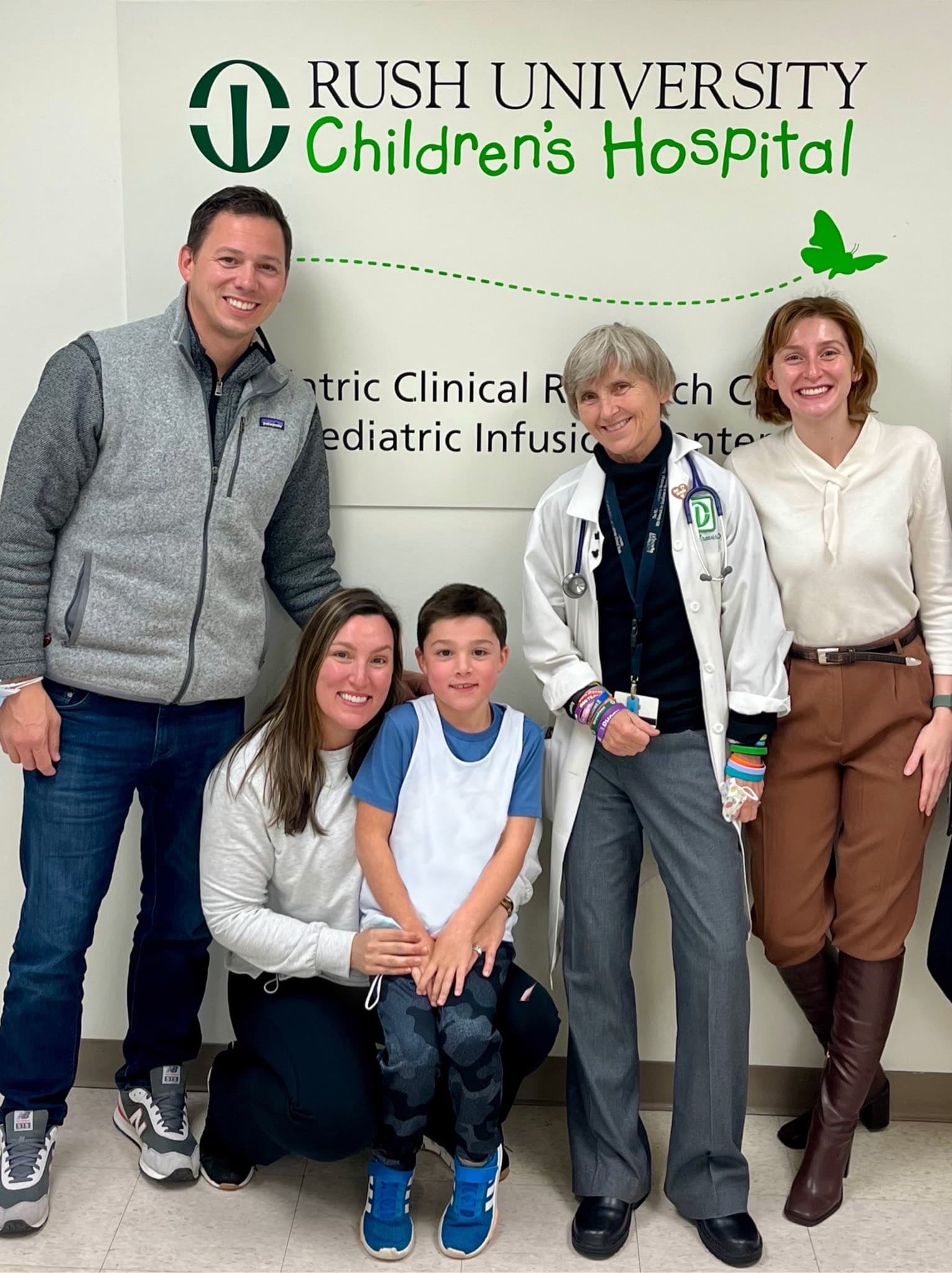
Charlie with Dr. Elizabeth Berry-Kravis and Clinical Research Director Kendall Robbins, Rush University Medical Center (2023)
They walked into that initial appointment armed with all the literature they could find about CLN1 disease, including information about a proposed gene therapy that had been halted when funding ran out. Because a clinical trial had previously been scheduled, some doses of the therapy may have already been manufactured — and Matthew and Leigh set off to attempt the impossible.
In an instance of sheer coincidence, Dr. Berry-Kravis had already been scheduled to speak with the manufacturers of the halted gene therapy just days later, regarding another rare disease project. With the support of Rush University and an agreement from the manufacturer to provide access, Dr. Berry-Kravis applied for a special expanded access study with the FDA — where Charlie would be the only initial participant. This proposed “N-of-1” study would allow the drug to be infused directly into Charlie's central nervous system. No human had ever received this drug before, and the outcome was uncertain.
“We knew the risks of Charlie being first, but we also knew the certainty of not trying. This was Charlie's only chance, and if no one went first, then no other child might ever benefit from this drug.”
— Matthew Sims
After months of waiting, the FDA granted approval for Rush to initiate the study with Charlie. A month later, Charlie became the first human ever to receive the therapy — nearly three years after the family originally sought answers.
What is CLN1?
CLN1 disease is an ultra-rare pediatric neurodegenerative disorder, affecting fewer than 1 in 1,000,000 children worldwide. It is one of at least 13 identified variants of Batten Disease — collectively the most common cause of childhood dementia.
CLN1 is caused by mutations to the PPT1 gene, which produces an enzyme that helps eliminate waste from our cells. When the PPT1 gene is defective, there is too little of the enzyme, causing cellular waste to build up until nerve cells die. The onset is insidious, but becomes more devastating as more brain cells are lost.
1 in 1,000,000
Children affected by CLN1 worldwide
30M+
Americans living with a rare disease
95%
Of rare diseases lack any FDA-approved treatment
1 in 10
Americans affected by rare disease cumulatively
Fighting Forward
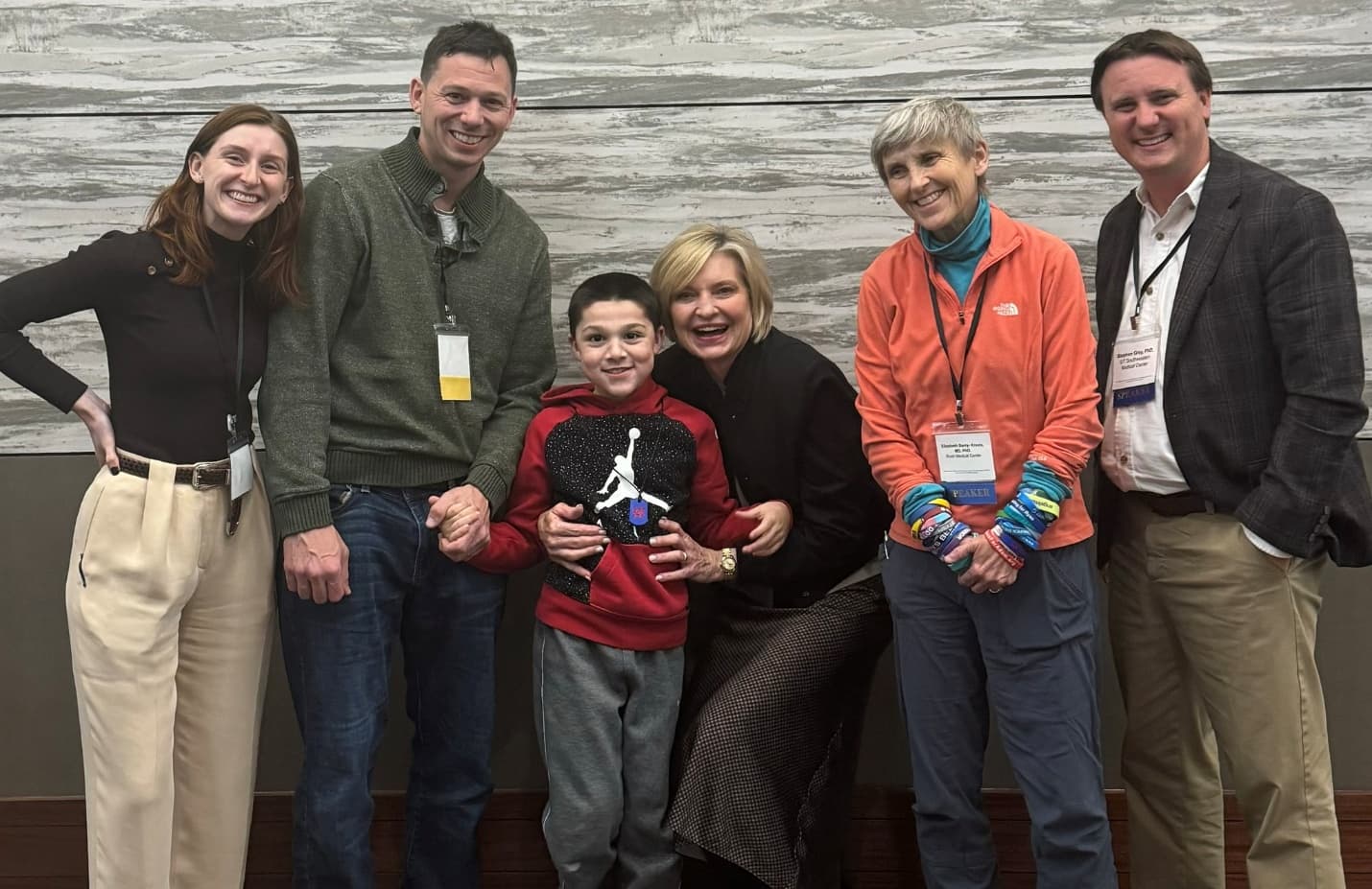
Left to right: Kendall Robbins (Rush), Matthew Sims, Charlie, Sharon King (Taylor's Tale), Dr. Elizabeth Berry-Kravis (Rush), Dr. Steven Gray
Today, Team Charlie works to carry on the fight for the children who will come after Charlie — to try and inspire hope. We pave this road one brick at a time, and everyone who has supported this cause has placed those bricks on the road. Every brick laid is a step towards a cure.
“Charlie's proof that families with rare genetic diseases can have hope for the future.”
Individually, rare diseases are uncommon — but cumulatively they affect nearly 1 in 10 Americans. Statistically, you probably know a family affected by rare disease, even if you're not aware of it. Awareness matters. Research matters. And love — the kind that drives a family to attempt the impossible — matters most of all.
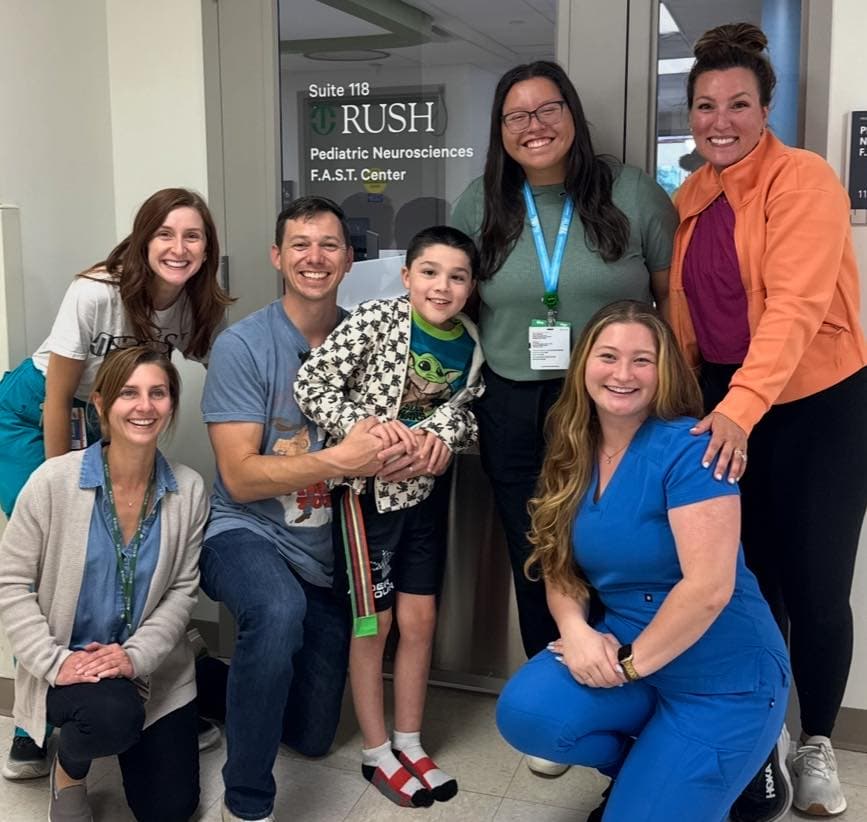
Charlie at Rush University's Pediatric Neurosciences F.A.S.T. Center (2026)
100% of Donations Fund Research
Every dollar raised goes directly to advances in treatment for pediatric rare disease at Rush University Medical Center.
Donate to the CauseIn the Media
Charlie's story has been covered by local and national media. Read and listen below.
WBEZ / NPR
Rare Disease Treatment and Support in Chicago
Rush University
Time Is Neurons: A Family's Fight Against an Ultra-Rare Disease
Fox 32 Chicago
Father donates gifts — rare disease coverage
WGN TV
Father Donates Gifts — Rare Disease
NCTV17
Walk with Charlie Shines Light on Rare Pediatric Disease Awareness